Physical Address
304 North Cardinal St.
Dorchester Center, MA 02124
Physical Address
304 North Cardinal St.
Dorchester Center, MA 02124

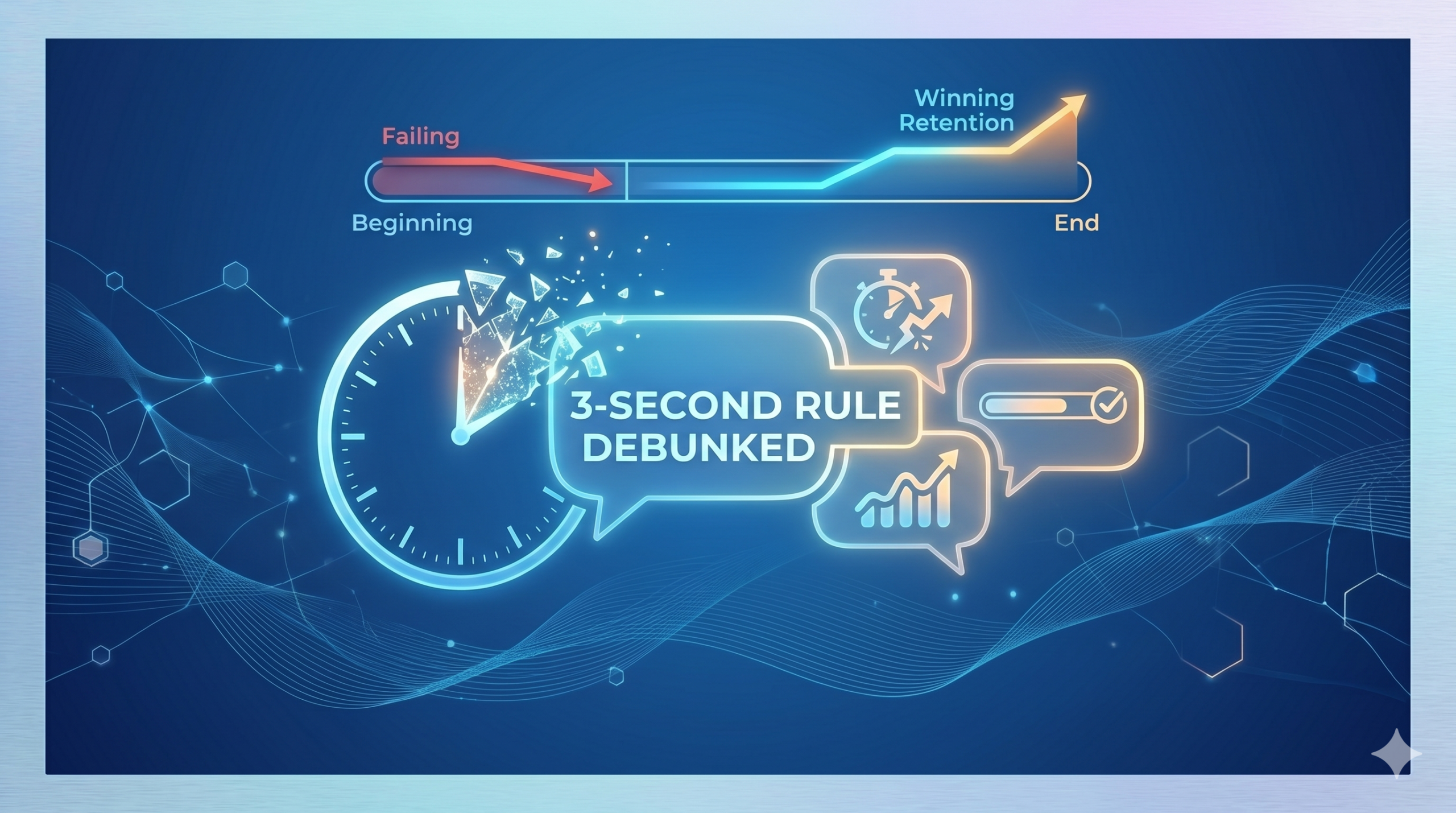
For years, one piece of digital marketing folk wisdom has reigned supreme across agencies and creator studios alike: you have exactly three seconds to hook an audience on social media before they scroll away, so you must front-load your video with essential brand assets and logos.
However, a groundbreaking new industry report has officially turned this long-standing dictum on its head. The extensive study, titled Creator Instinct and released by creator agency group Billion Dollar Boy in partnership with AI creative intelligence firm Daivid, reveals that forcing aggressive product placement or brand messaging into the opening seconds of short-form video actually harms campaign performance.
By analyzing over 5,000 creator-led video assets across Instagram and TikTok against 39 distinct emotional signals and organic performance metrics, the data painted a radically different picture of consumer behavior.
The report found that rushing product placement or corporate messaging into the initial frames muddies what psychologists call the “anchoring period”. Instead of gripping the viewer, it creates instant cognitive confusion. Content that features these forced, hyper-early brand pitches suffers a 17% lower engagement rate compared to the platform average.
Rather than stopping the scroll, aggressive early branding triggers the brain to recognize the video as an explicit advertisement, causing viewers to instinctively swipe away.
The study suggests that the industry’s obsessive focus on the opening hook has caused marketers to neglect the most critical portion of the video: the conclusion.
According to the data, a video’s true power lies in its tail-end retention:
The implications are clear: a continuous, cinematic flow that builds a narrative or establishes an emotional connection performs significantly better than a disjointed video that yells its brand name in the first frame.
The shift in the power dynamic between traditional corporate brands and native creators demands a new playbook. When brands attempt to enforce strict, legacy advertising guidelines—like immediate logo placement—on platforms built for native, authentic storytelling, the content fails to resonate.
Industry executives note that the path forward requires brands to accept a happy medium: “freedom within a framework.” To capture modern audiences, businesses must stop treating short-form video like a traditional television commercial. By prioritizing deep, sustained narrative engagement over the superficial 3-second rule, creators and brands can foster the genuine, trusted authority that actually drives conversions in the modern social age.